

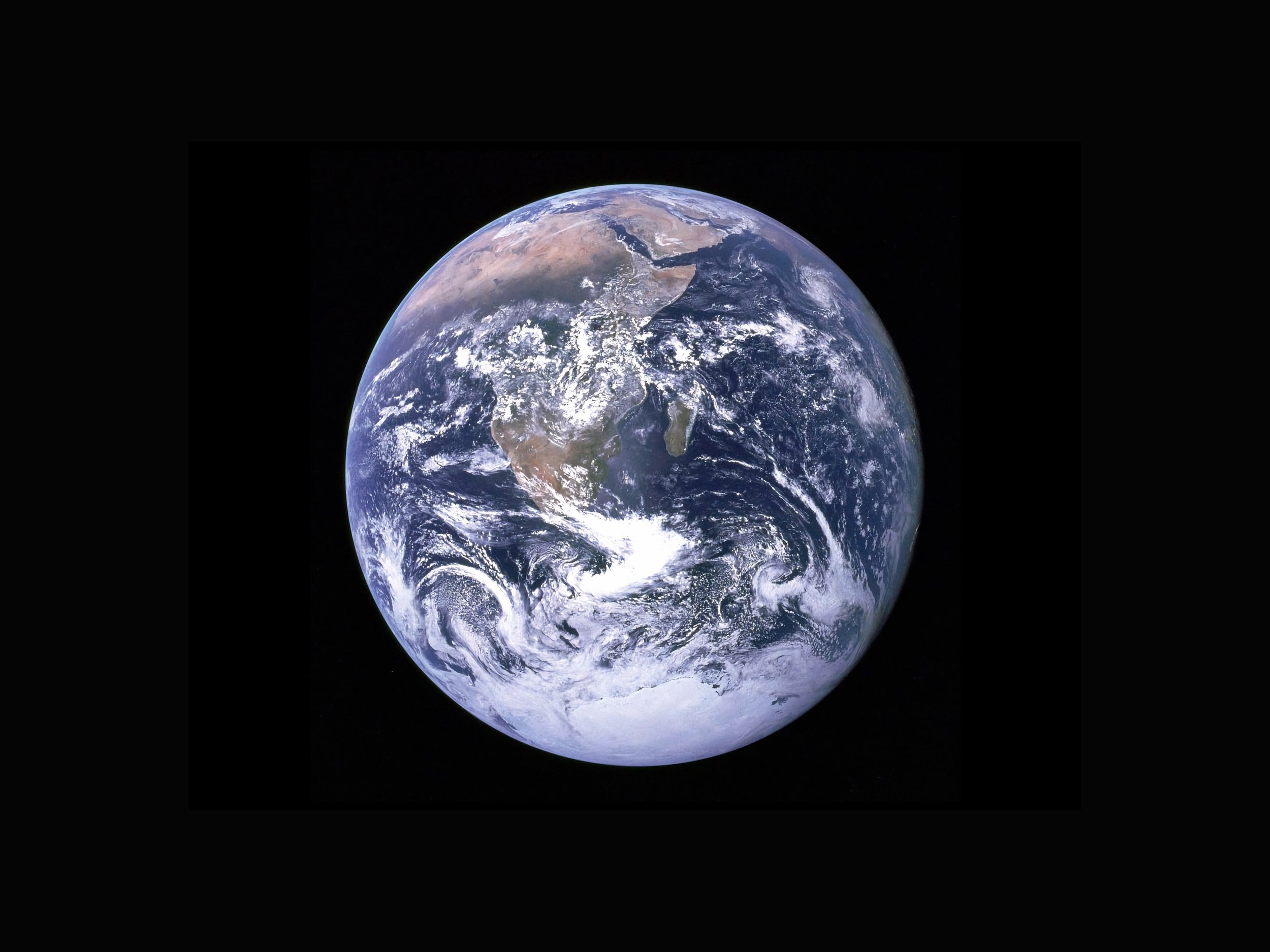
Unit 1: Introduction to Earth and Space Science (Nature of Science)
Learning intentions: Practice communication is crucial for scientists to share their results effectively with each other and with society. You will explain why scientific investigations should be replicable. You will understand, plan and carry out scientific investigations such as; observations, experiments - identify variables, collect and organize data, interpret data charts, tables and graphics, analyze information and defend conclusions.
Success Criteria:
- I will be successful when:
- I can understand what type of graph is best to use for my data
- I can understand the difference between Theory and Law
- I can understand the different steps in an experiment
- I can explain the different part of an experiment, independent vs. dependent variables etc.
- I can understand why we use the metric system in science
- I understand the different metric abbreviations for mass, length, volume & temperature
- I can understand dimensional analysis and do conversions
-
Monday:
Go over Expectations and syllabus
Preview website: https://www.drbellscourses.com/earth-and-space-sciences
Preview: Schoology, McgrawHill, PENDA, Gizmos
Classroom features: Laptops, pencil sharpeners, rulers, bathroom
Homework: Sign Syllabus (turn in to Schoology), Read Section 1.1 (Chapter 1 - Section 1), take notes
Tuesday:
K.C.#1 : Dr. Bell's website information and random questions
Kahoot! : Dr Bell's website and syllabus
Hand out Unit 1 guided notes
Lecture: PPT 1 hand out guided notes
Homework: Read Section 1.1, take notes.
Wednesday:
K.C.#2
Lecture: Chapter 1: Section 1: Earth Science
Lecture: Chapter 1: Section 2: Methods of Scientists, Chapter 1: Section 3: Communication in Science
Homework: Read Section 1.2-1.3, take notes
Thursday:
Demonstration and Experiment: Pendulum
Homework: Submit Lab to Schoology
Friday:
Exploding Bubbles demonstration
use textbook as reference
Hmwk: Finish worksheet
-
Monday (August 19):
K.C. #3
Dimensional Analysis Worksheet
Use textbook as reference
Hmwk: Finish worksheet
Tuesday (August 20):
Review Dimensional analysis worksheet. Check each other's work
Introduction to ESS Crossword, use guided notes a lot for these!
Hmwk: Finish Crossword
Wednesday (August 21):
Hmwk: Finish Lab
Thursday (August 22):
GRADE 6 FAST PM1
Friday (August 23):
Hmwk: finish lab if not in class
(Cancelled )Measuring Volume Lab
-
Monday (August 26):
Lecture: finish notes
Hmwk: Finish Short Responses
Tuesday (August 27):
Grade 6 FAST
Wednesday (August 28):
Hmwk Finish Lab, submit to Schoology
Thursday (August 29):
Kahoot!: Chapter 1 Review extensive
Hmwk: Study for Test Unit 1 test tomorrow, use review game and kahoot!
Friday (August 30):
Unit 1 Test
Hmwk: Read Section 2.1, take notes

Unit 2: Atmosphere
Learning intentions:Understand the particle and composition of the Atmosphere and the different layers
Success Criteria:
- I can understand matter and what changes it
- I can explain the composition of the Atmosphere
- I can explain the five different layers of the Atmosphere and draw a model
- I can understand how energy is transferred in the Atmosphere
- I can understand and explain the greenhouse effect
- I can understand convections and give examples
-I can understand how clouds forms and the different names (prefixes strato, alto, cirro)
-
Monday (September 2):
Labor Day!!!
Tuesday (September 3):Video: Bill Nye: Atmosphere
video worksheet
Hmwk: Read Section 2.2, take notes!
Wednesday (September 4):
Review Test
Lecture: Atmosphere (chapter 11)
Hmwk: Read Chapter 11 Section 1, take notes
Thursday (September 5):
K.C. #6 (Chapter 11 Section 1)
Lecture: Atmosphere (chapter 11)
Hmwk: Read Chapter 11 Section 2, take notes
Friday (September 6):
K.C. #7 (Chapter 11 Section 2)
Section 11.1 Worksheet
Atmosphere worksheet: Section 1
Hmwk: Read Chapter 11 Section 3, take notes, Finish 11.1 worksheet
-
Monday (September 9):
Hmwk: Finish Lab
Tuesday (September 10):
Section 11.2 Worksheet
Section 11.3 Worksheet
(Not done) Atmosphere Webquest Lab
Hmwk: Finish worksheets, submit to Schoology
Wednesday (September 11):
Greenhouse Effect Lab (don't do part V)
(don't do part V)
Hmwk: Finish Lab, submit to Schoology
Thursday (September 12)
Atmosphere Crossword Worksheet
Hmwk: Finish crossword, submit to Schoology
Friday (September 13)
PENDA - Nature of Science
Hmwk: Work on PENDA
-
Monday (September 16):
PENDA Atmospheres
Hmwk: Finish PENDA
Tuesday (September 17):
Atmosphere Review Questions #1
Atmoshphere Review Questions #2
McrawHill Vocab-review (E-crossword, E-flashcards)
Wednesday (September 18):
McGraw-Hill Practice Tests (physical version)
Thursday (September 19):
Kahoot!: Unit Review: Atmosphere
Blooket Review: Atmospheres
McGraw-Hill Practice Tests (online)
Friday (September 20):
Unit Test: Atmosphere

Unit 3: Meteorology and Weather
Learning intentions: Weather patterns can be observed, analyzed and predicted - Chapter 12 + Severe Weather - Chapter 13
Success Criteria:
- I can explain why air masses have different temperatures and amounts of moisture - because of uneven heating of Earth's surface.
- I can explain the causes of weather
- I can explain the similarities and differences between the three major wind systems
- I can understand and explain the four types of fronts
- I can understand how to read a weather map and how to use different weather tools
- I can describe examples of extreme weather, including hurricanes, floods, thunderstorms, tornadoes, and drought.
- I can describe examples of extreme weather, including hurricanes, floods, thunderstorms, tornadoes, and drought.
-
Monday (September 23):
Lecture: Chapter 12: Meteorology
Hmwk: Read Chapter 12 Section 1, take notes
PENDA - Weather
Hmwk: Finish PENDA
Tuesday (September 24):
Weather Journal
Hmwk: None!
Wednesday (September 25):
(HURRICANE DAY) Weather Journal
Gizmos Lab: Observing Weather
Hmwk: Finish Lab, upload to Schoology
Thursday (September 26):
(HURRICANE DAY) Weather Journal
Hmwk: None!
Friday (September 27):
(HURRICANE DAY) HAM RADIO INSTRUCTION (ALL 6th graders)
Weather Journal
Gizmos Lab: Hurricane Motion
Hmwk: Finish Lab and Weather Journal, turn in to Schoology
-
Monday (September 30):
Gizmos Lab: Observing Weather
Hmwk: Finish Lab, upload to Schoology
(canceled) Meteorology video: Safari Montage
(canceled)Meteorology video
(canceled)Meteorology crossword (As group, students keep them in their binder)
(canceled) Hmwk: Read Chapter 12 Section 2, take notes
Tuesday (October 1):
PENDA
(canceled) Meteorology Webquest Lab
Hmwk: Read Chapter 12 Section 3, take notes
Wednesday (October 2):
STARLAB
(canceled) Finish meteorology webquest lab
Hmwk: PENDA (Bell- Weather and Climate) (4 activities)
Thursday (October 3):
Chapter 12 Section 1 Worksheet: Meteorology (due at end of class)
Chapter 12 Section 2 Worksheet: Meteorology
Meteorology worksheet: Section 1
Meteorology worksheet: Section 2
Hmwk: Finish Chapter 12 Section 2 Worksheet: Meteorology
Friday (October 4):
K.C. #8 (Chapter 12 section 1 and 2)
Handout Severe weather notes
Severe weather Lecture
Hmwk: Read Section 12.4, take notes
-
(HURRICANE DAY) Monday (October 7):
Weather Forecasting Webquest Lab
If done early do homework
Hmwk: Read Chapter 13: Section 1, take notes
(HURRICANE DAY) Tuesday (October 8):
Hmwk: Read Chapter 13: Section 2, take notes
(HURRICANE DAY) Wednesday (October 9):
Hmwk: Finish Lab / Read Chapter 13: Section 3, take notes
(HURRICANE DAY) Thursday (October 10):
Meteorology / Severe weather Short Response
Isobar and Isotherm worksheets
Hmwk: Finish Short Responses / Read Chapter 13: Section 4, take notes
(HURRICANE DAY) Friday (October 11):
?????SCIENCE TEST?????????
K.C. #9 (Chapter 13 Section 1)
The Ultimate Guide to Extreme Weather video
Hmwk: None!
-
(HURRICANE DAY) Monday (October 14):
K.C. #10 (13.3-13.4)
Tornado video: National Geographic
Hmwk: None!
(HURRICANE DAY) Tuesday (October 15):
Wednesday (October 16):
Gizmos - Hurricane lab
Homework: finish Lab, submit to Schoology
Thursday (October 17):
Hmwk: Finish Lab / Read Chapter 13: Section 1, take notes
Friday (October 18):
Professional Day!
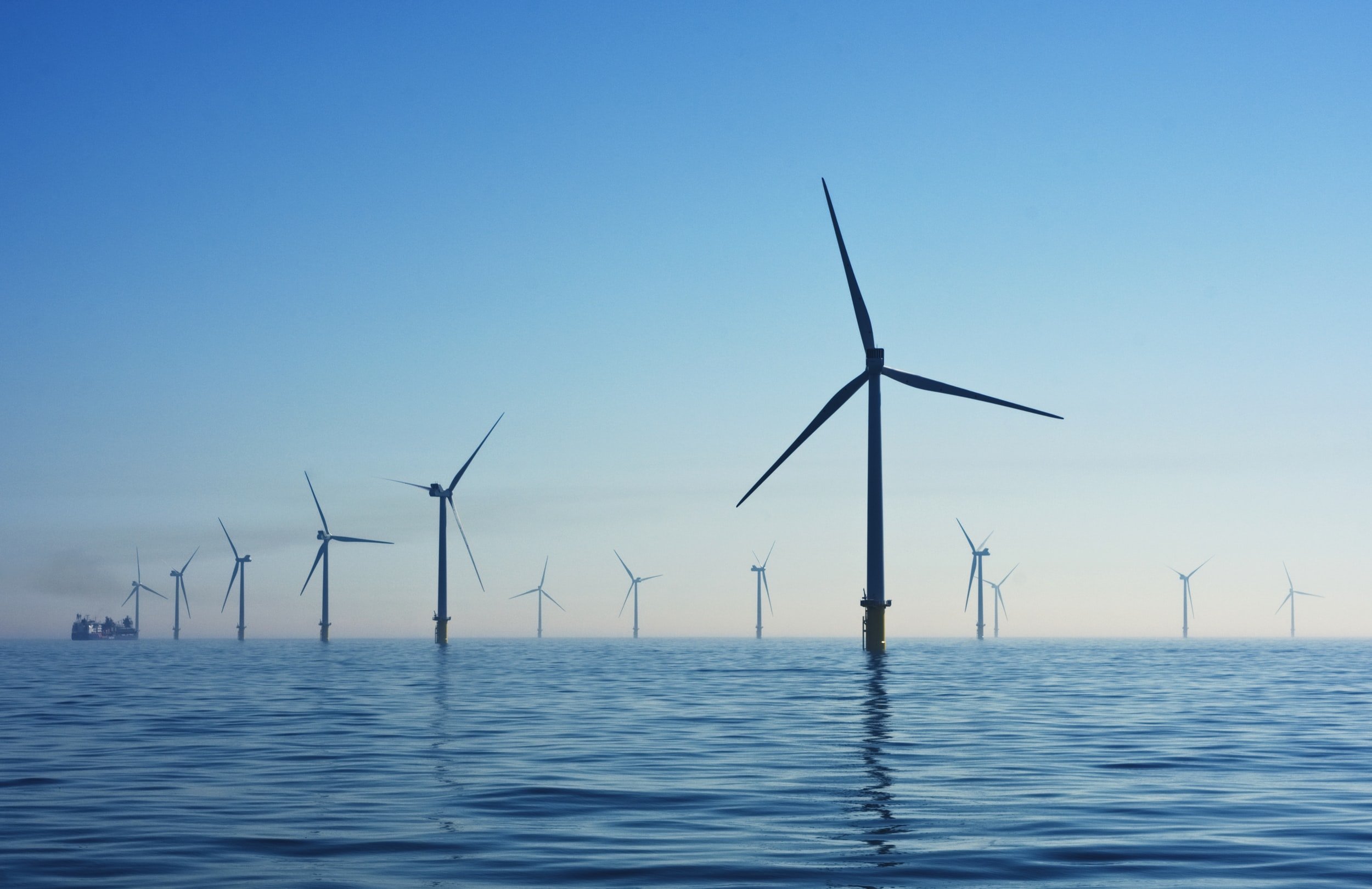
Unit 4: Climate
Learning Intentions: You will learn about the different climates on Earth are influenced by natural factors as well as human activities.
Success Criteria:
- I can understand differences in climate
- I can understand the impact of human activities on the climate
- I can understand and explain characteristics of different climates
-
Monday (October 21):
Read Section 13.2-13.3, take notes
Homework: Finish reading Section 13.2-13.3, take notes. Submit Crossword to Schoology
Tuesday (October 22):
Kahoot!: Review for Meteorology and Severe Weather Test
Blooket Meteorology Review
MH Online Practice Tests
Hmwk: Study for Test tomorrow, use Kahoot!, Practice Tests, and all notes
Wednesday (October 23):
Meteorology and Severe weather Test
Hmwk: PENDA -Climate Unit
Thursday (October 24):
Lecture Chapter 14: Climate
Hmwk: Read Section 14.1, take notes
Friday (October 25):
Hmwk: Read Section 14.2, take notes. Finish Section 14.1 and 14.2 worksheets, submit to Schoology
-
Monday (October 28):
K.C. #11 (section 14.1-14.2)
Climate worksheet: Section 14.3
Climate worksheet: Section 14.4
Hmwk: Read Section 14.3, take notes. Finish worksheets, submit to Schoology
Tuesday (October 29):
K.C. #12 (Sections 14.3-14.4)
Hmwk: Read Section 14.4, take notes. Work on Climate Change PPT project
Wednesday (October 30):
Hmwk: Work on Climate Change PPT project
Thursday (October 31):
Climate PPT project
Hmwk: Finish Climate Change PPT project (Due Tonight @11:59PM, presentations begin Friday)
Friday (November 1):
Short Presentation of your group project
Hmwk: Read Section 27.1, take notes
*****(Cancelled) Gizmos: Comparing Climate Lab
*****(Cancelled)Hmwk: Finish Lab, Submit lab to Schoology

Unit 5: Sun-Earth-Moon System
Learning Intentions: You will understand that the Sun, Earth and the Moon form a dynamic system that influences all life on Earth
Success Criteria:
- I can understand historical models of the Solar System, including geocentric and heliocentric
- I can understand the impact that objects in space have on each other, including: The Sun on the Earth (seasons and gravitational attraction), The Moon on Earth (moon phases, tides, eclipses, and the relative position of each body)
- I can explain and create models of solar properties, including rotation, structure of the Sun, convection, sunspots, solar flares and prominences
- I can understand how the technology used to measure and collect data for objects in space works
-
Monday (November 4):
Kahoot!: Review for Climate Test
MH Online Practice Tests
Tuesday (November 8):
Climate Test
Hmwk: Read Section 27.1, take notes
Wednesday (November 9):
Hand out guided notes
The Power's of Ten video: Powers of Ten™ (1977)
Pale Blue dot: Carl Sagan - Pale Blue Dot
Lecture: Earth Motions & The Moon
Hmwk: Read Section 27.2, take notes
Thursday (November 10):
K.C. #13
Finish Lecture: The Moon
The Moon: Crash Course Astronomy #12
Friday (November 11):
K.C. #14
Gizmos Labs: Seasons and Phases of the Moon
Hmwk: Finish Gizmos Labs
???? Planetarium (Lunar Phases and Tides)
???? Hmwk: Read pages 778-780, take notes
????? Hmwk: Finish Shadow lab.
???? Earth Motion's Short Responses
???? Hmwk: Finish Short Responses
????Earth Motions Crossword
???Hmwk: Finish Crossword
-
Monday (November 11):
???? K.C. #15 (pages 778-780) lunar phases
Crash Course Astronomy: Moon Phases video
Hmwk: Finish Lab, submit to Schoology
Tuesday (November 12):
ARRISS PRESENTION
???? K.C. #16 (pages 781-784) Eclipses & Tides
Crash Course Astronomy: Eclipses video
Crash Course Astronomy: Tides video
Hmwk: Read pages 770-774
Wednesday (November 13):
PENDA - Sun-Earth-Moon System Unit
Planetarium (2 Pieces of Glass video)
Eclipses
Thursday (November 14):
K.C. #17 (pages 770-774) Lunar Surface
The Sun-Earth-Moon worksheet #1 27.2
The Sun-Earth-Moon worksheet #2 27.3
Hmwk: Finish worksheets
Moon Formation Notes.
Friday (November 15):
Earth Motions Review Game questions
Planetarium (Eclipses)
-
Monday (November 18):
Pin Wheel - Lunar phases Demonstration
Kahoot! Chapter 27: Earth Motions and the Moon Test Review
Blooket Sun Earth Moon Review
Tuesday (November 19):
Chapter 27: Earth Motions and The Moon Test
Hmwk: Read Chapter 28 Section 1, pages 796-803
Wednesday (November 20):
Review the Test
Crash Course Astronomy: The Solar System video
Hand out Solar System notes
Lecture: Solar System (origin) PPT
Hmwk: Read Chapter 28 Section 2
Thursday (November 21):
Lecture: Solar System (Inner Planets) PPT
Lecture: Solar System (Outer Planets) PPT
Hmwk: Read Chapter 28 Section 3
Friday (November 22):
The Universe: The inner Planets video
The Secrets of the Inner Worlds video
Nova: The Planets: Inner Worlds video
Second video link if 1st does not work
Nova: The Planets: Inner Worlds video worksheet
video worksheet
Hmwk: PENDA SOLAR SYSTEM UNIT
-
Thanksgiving Break!

Unit 6: The Solar System
Learning Intentions: I will be successful when I can create/draw models of our solar system and understand the relationships between the celestial bodies.
Success Criteria:
- I can describe the formation of our solar system.
- I can describe the orbits of the planets in our solar system.
- I can explain the relationship between a planet’s distance from the sun, the length of a year, and duration of its orbit.
- I can explain why the inner and outer planets have different sizes and compositions.
- I can explain what a planet/celestial body need to support life as we know it
-
Monday (December 2):
Hmwk: Finish Crossword
Tuesday (December 3):
K.C. #18
Lecture: Solar System (Dwarf Planets - Asteroids and Comets)
Hmwk: Read Chapter 28 Section 4
Wednesday (December 4):
K.C. #19
Short Response Questions
Hmwk: Finish Short Response Questions
Thursday (December 5):
FAST Reading
Worksheets: Chapter 28 Section 1&2
Hmwk: Crossword: The Solar System
Friday (December 6)
Worksheets: Chapter 28 Sections 3&4
The Solar System Worksheet #3 : The Outer Planets
The Solar System Worksheet #4 : Dwarf Planets and Other Objects
Hmwk: Finish worksheets
-
Monday (December 9):
The Universe - S06E03 - How the Solar System was Made
The Universe: How the Solar System was Made video
The Universe: How the Solar System was Made video worksheet
Hmwk: Section 28.3 worksheet
Tuesday (December 10):
FAST Math
(optional) First Choice: Planetarium
(optional) 2nd Choice: The Universe: The Outer Planets video
(optional) The Universe: The Outer Planets video worksheet
(optional)Kepler's Laws worksheet
(optional)Hmwk: Kepler's Laws Worksheet
Wednesday (December 11):
Hmwk: Finish Solar System Lab, turn in to Schoology
Thursday (December 12):
Kahoot! Chapter 28: The Solar System Test Review
Hmwk: Review for Test
Friday (December 13):
Solar System Test
homework: none
-
Monday (December 16):
Hmwk: Make a Spaceship Project
Tuesday (December 17):
Make a Spaceship project
Hmwk: Make a Spaceship Project
Wednesday (December 18):
Make a Spaceship project
Hmwk: Make a Spaceship Project
Thursday (December 19):
Make a Spaceship Project
Hmwk: Make a Spaceship Project (Due tomorrow)
Friday (December 20):
Present Spaceship project
Hmwk: Enjoy your break!
-
Winter Break! (NO SCHOOL)
-
Winter break! (NO SCHOOL)
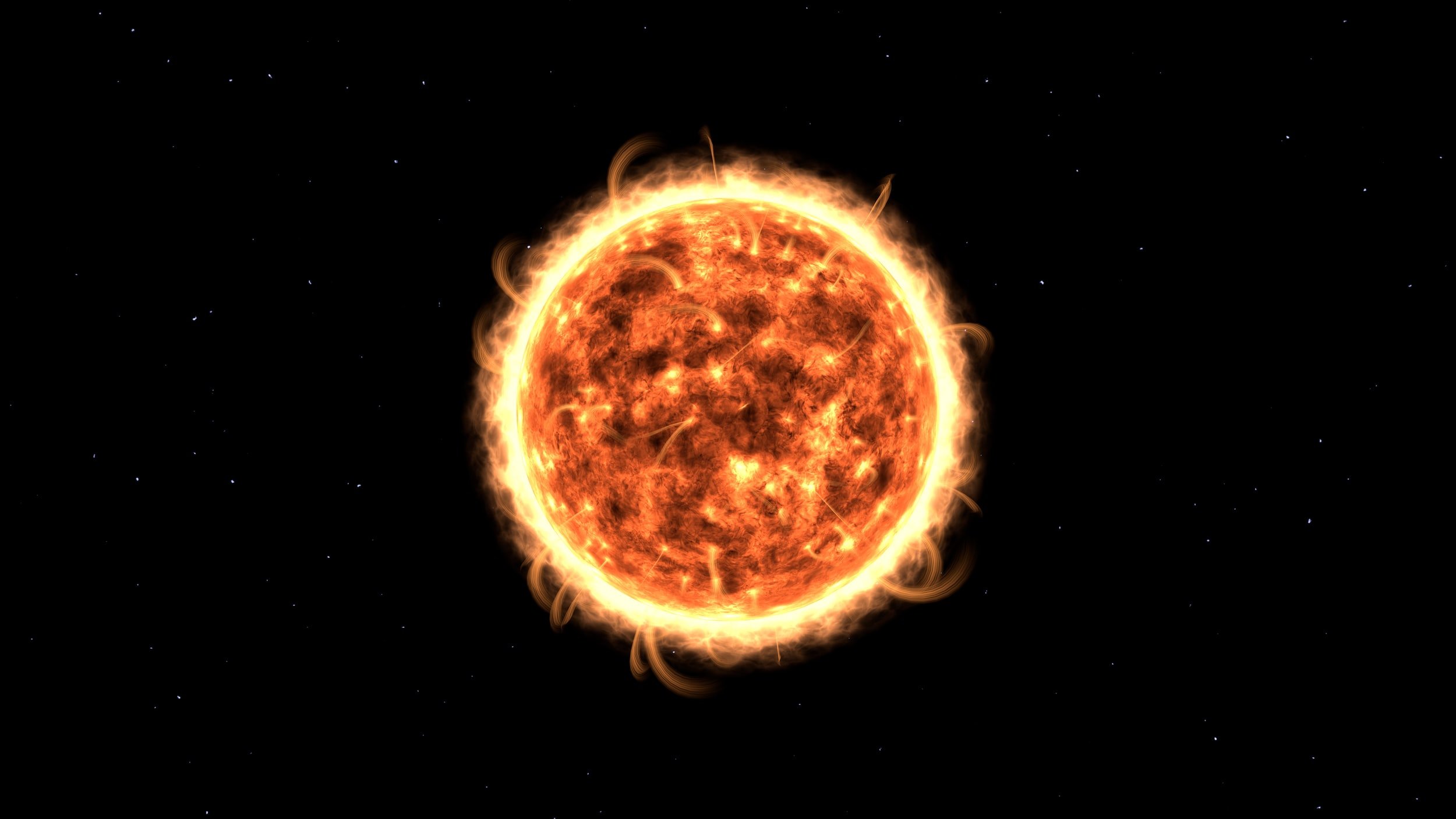
Unit 7: The Universe (Sun, Stars, Galaxies and Cosmology)
Learning Intentions: You will investigate the Universe and the objects that it contains, how they are formed as well as their life span
Success Criteria:
- I can describe the brightness of stars in terms of apparent magnitude, absolute magnitude, luminosity, and distance from Earth.
- I can explain the relationship between temperature and color of a star.
- I can describe the size of stars relative to the sun and explain how the size of a star changes over time.
- I can explain how stars are classified according to their physical properties.
- I can explain how stars are formed.
- I can describe the stages of a star’s life span.
- I can compare elliptical, spiral, and irregular galaxiesand that they are made up of solar systems and include billions of stars
- I can calculate distances using light-years.
- I can describe the location of the solar system in the Milky Way Galaxy.
- I can describe how the Big Bang Theory explains the origin of the universe.
- I can explain how the sun formed.
- I can describe how new technologies and ways of thinking changed our understanding of the universe.
-
Monday (January 6):
PENDA: The Universe Unit
Hmwk: Read Section 29.1, take notes
Tuesday (January 7):
PENDA: The Universe Unit
Hmwk: Finish PENDA, Read Section 29.2, take notes
Wednesday (January 8):
Lecture: The Sun and Stars
The Sun: Crash Course Astronomy #10
Hmwk: Read Section 29.3, take notes
Thursday (January 9):
K.C. #20 (pages 830-836)
Stars: Crash Course Astronomy #26
Lecture: The Sun and Stars
Hmwk: Watch Crash Course video if not enough time in class.
Friday (January 10):
Hmwk: Finish Worksheets, submit to Schoology
-
Monday (January 13):
Nova: Secrets of the Sun video
Nova: Secrets of the Sun video worksheet
Hmwk: Turn in video worksheet to Schoology
Tuesday (January 14):
Hmwk: Finish Lab and submit to Schoology
Wednesday (January 15):
Hmwk: Turn in Section 29.3 worksheet to Schoology
Thursday (January 16):
Hmwk: Finish Lab, submit to Schoology
Friday (January 17):
Professional day
Short Response questions
The Sun and Stars Short Response questions
Hmwk: Finish Short Response questions
-
Monday (January 20):
MLK Day (No School!)
Tuesday (January 21):
K.C. #21 (pages 837-846)
Hmwk: Finish Gizmos Lab , submit to Schoology
Wednesday (January 22):
The Universe: Life and Death of a Star video
The Universe: Life and Death of a Star Worksheet
Hmwk: Read Section 30.1, take notes, submit video worksheet to Schoology
Thursday (January 23):
K.C. #22
Hmwk: -Read Section 30.2, take notes.
Friday (January 24):
Finish Space Weather Project
Hmwk: Finish Space Weather Project if not in class
-
Monday (January 27):
The Universe: S02E04 The Milky Way video
The Universe: S02E04 The Milky Way worksheet
Hmwk: Read Section 30.3, take notes. Submit video worksheet to Schoology
Tuesday (January 28):
K.C. #23 (Section 30.1)
Lecture: The Universe: Galaxies and Cosmology
Hmwk: Worksheet Section 30.1
Wednesday (January 29):
Lecture: The Universe: Galaxies and Cosmology
The Milky Way: Crash Course Astronomy #37
Thursday (January 30):
K.C. #24 (Sections 30.1-30.2)
Hmwk: Finish Worksheets, submit to Schoology
Friday (January 31):
Finish any Lectures?
Kahoot! Review for The Universe Test
Blooket Universe Review
Hmwk: Finish worksheet, submit to Schoology, Study for Test
StarLab: Constellations and Life Cycle of Stars -
Monday (February 3):
The Universe Test
if done early: PENDA: Weathering, Erosion, Deposition and Landforms
Hmwk: Read Section 7.1, take notes
Tuesday (February 4):
Finish PENDA: Weathering, Erosion and Deposition assignments
Hmwk: Finish PENDA: Weathering, Erosion and Deposition
Wednesday (February 5):
Handout Guided Notes
Lecture: Chapter 7 (Erosion weathering Deposition and Landforms)
Hmwk: Read Section 7.2, take notes
Thursday (February 6):
Hmwk: Finish worksheets, submit to Schoology
Friday (February 7):
Weathering, Erosion and Deposition video Part 1
Weathering, Erosion and Deposition video Part 2
Weathering Erosion and Deposition video Part 3
Extra Stuff:
K.C. #25: Chapter 30: Section 2The Universe Essays Jig-Saw Essays
Galaxies and the Universe Essays
Hmwk: Finish Essays
Khan Academy - What Emerged from the Big Bang video
Khan Academy - Threshold 1 Big Bang video
Hmwk: The Universe Crossword
K.C. #26: Chapter 30 Section 3
A Brief History of the Universe: Crash Course Astronomy #44
Crash Course Astronomy: A Brief History of the Universe video
Kahoot! Crash Course Review
The Universe S01E14: The Big Bang Part 1&2
The Universe - S01E14 - Beyond the Big Bang video
The Universe - S01E14 - Beyond the Big Bang video worksheet
The Universe S01E14: The Big Bang Part 1&2 video worksheet
Kahoot! Review for Galaxies and The Universe Test
Review Questions: The Universe
Hmwk: Study for Test
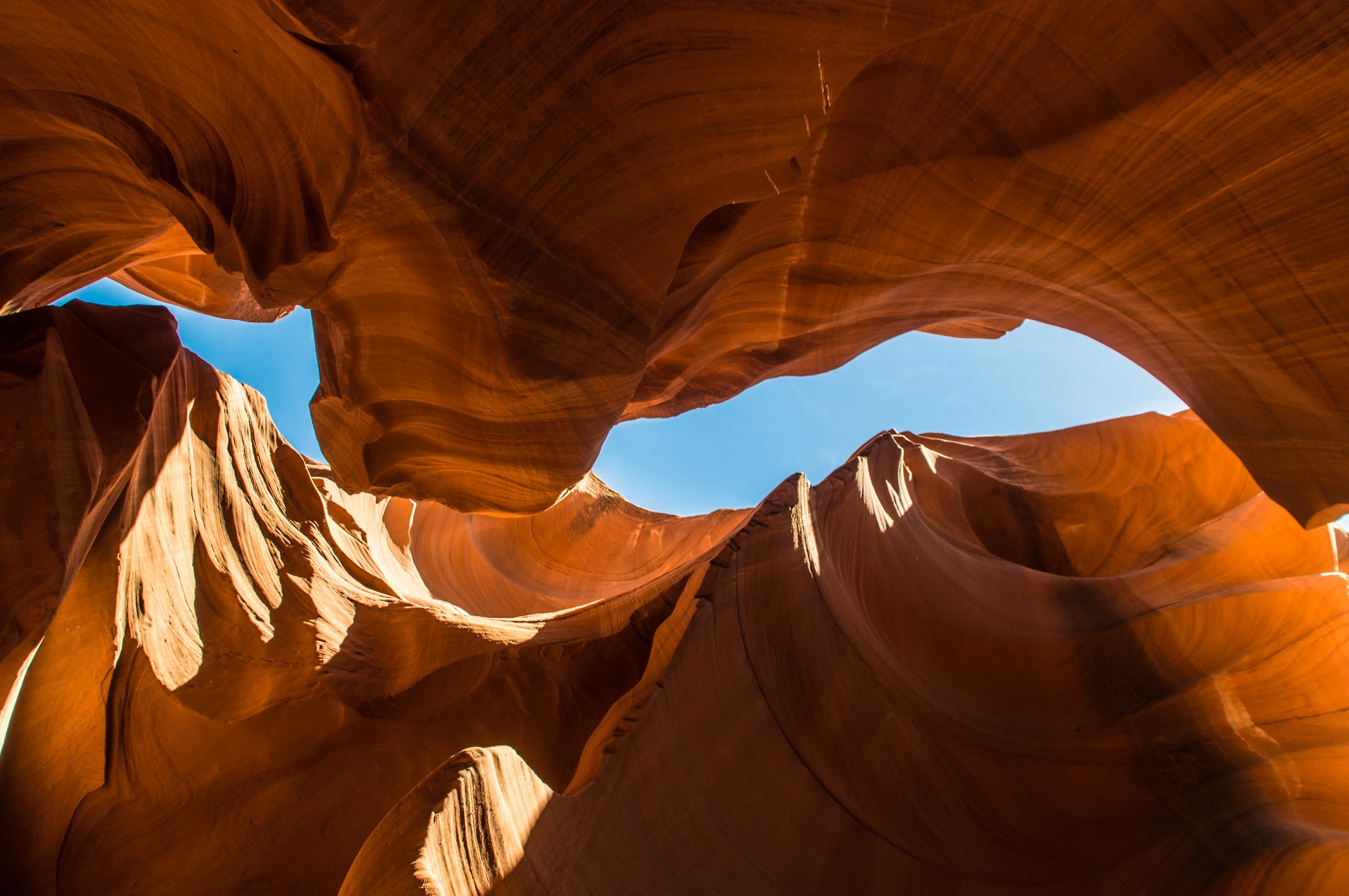
Unit 8: Weathering, Erosion and Landforms
Learning Intentions: Learning about Earth's surface processes, landforms and how to map Earth's surface.
Success criteria:
- I can understand and explain the difference between chemical and mechanical weathering (Ch. 7)
- I can explain how erosion & deposition works (Ch. 7)
- I can understand how mass movement, wind & glaciers works (Ch. 8 - see your notes)
- I can recognize that there are a variety of different landforms on Earth’s surface such as coastlines, dunes, rivers, mountains, glaciers, deltas, and lakes and relate these landforms as they apply to Florida
- I can understand, read and create a TOPOGRAPHY map
SC.6.E.6.1(Level2)Describe and give examples of ways in which Earth’s surface is built up and torn down by physical and chemical weathering, erosion, and deposition.(Assessed as SC.7.E.6.2)
SC.6.E.6.2(Level2)Recognize that there are a variety of different landforms on Earth’s surface such as coastlines, dunes, rivers, mountains, glaciers, deltas, and lakes and relate these landforms as they apply to Florida.(Assessed as SC.7.E.6.2)
SC.7.E.6.2(Level 3)Identify the patterns within the rock cycle and relate them to surface events (weathering and erosion) and sub-surface events (plate tectonics and mountain building). (Also assesses SC.6.E.6.1, SC.6.E.6.2, and SC.7.E.6.6)
-
Monday (February 10):
StarLab: Weathering, Erosion, Deposition and Landforms
Tuesday (February 11):
Wednesday (February 12):
Weathering Lab (Gizmos) (day 2)
Hmwk Finish Lab
Thursday (February 13):
Hmwk: Finish worksheet and submit to Schoology
Friday (February 14):
Bill Nye video: Rivers and Streams
Hmwk: Bill Nye video: Rocks and Soil
Hmwk:
-
Monday (February 17):
Presidents Day (No School!)
Tuesday (February 18):
Hmwk: Turn in any missing work.
Wednesday (February 19):
Section 16.1 worksheet : Shoreline
Section 16.2 worksheet : Seafloor
Hmwk: Finish worksheets
Thursday (February 20):
Kahoot! Review for Weathering, Erosion and Landforms Test
Blooket Weather Erosion Deposition Review
McGraw-Hill Online Practice Tests
Hmwk: Study for Test
Friday (February 21):
Weathering, Erosion, Deposition and Landforms Test
PENDA: Plate Tectonics, Volcanoes, and Earthquakes.
Hmwk: Finish PENDA
Unit 9: Plate Tectonics
Learning Intentions:
SC.7.E.6.1 Describe the layers of the solid Earth, including the lithosphere, the hot convecting mantle, and the dense metallic liquid and solid cores.
SC.7.E.6.2 Identify the patterns within the rock cycle and relate them to surface events (weathering and erosion) and sub-surface events (plate tectonics and mountain building).
Success Criteria:
- I can understand and explain the drifting continents, that they where once joined together and the evidence that support it
- I can understand that mountains, volcanoes, earthquakes and deep-sea trenches are form at the boundaries between the plates
-
Monday (February 24):
Hand out guided-notes
Lecture: Plate Tectonics
Hmwk: Read Section 17.2, take note
Tuesday (February 25):
K.C. #29 (Sections 17.1-17.2)
Lecture: Plate Tectonics
Hmwk: Read Section 17.3, take notes
Wednesday (February 26):
Lecture: Plate Tectonics
Plate Tectonics worksheet: Section 1
Hmwk: Read Section 17.4, take notes
Thursday (February 27):
Plate Tectonics worksheet: Section 2
Plate Tectonics worksheet: Section 3
Hmwk: Finish Plate Tectonics: Section 3 Worksheet
Friday (February 28):
K.C. #30 (Sections 17.3-17.4)
Plate Tectonics worksheet: Section 4
Hmwk: Plate Tectonics Crossword
-
Monday (March 3):
National Geographic Colliding Continents
Plate Tectonics: Colliding Continents Video worksheet
Tuesday (March 4):
Hmwk: Finish Gizmos Lab, submit to Schoology
Wednesday (March 5):
Hmwk: Finish Gizmos Lab, submit to Schoology
Thursday (March 6):
Kahoot!: Review for Plate Tectonics Test
Blooket Plate Tectonics Review
McGrawHill Online Practice Tests
Hmwk: Study for Test
Friday (March 7):
Unit 9: Plate Tectonics Test
Hmwk: None!

Unit 10: Rocks
Learning Intentions:
SC.7.E.6.1: Describe the layers of the solid Earth, rocks and minerals including the lithosphere, the hot convecting mantle, and the dense metallic liquid and solid cores
SC.7.E.6.2:Identify the patterns within the rock cycle and relate them to natural events (weathering and erosion) and sub-surface events (plate tectonics and mountain building).
Success Criteria:
I can understand how Igneous Rocks are being formed and give examples
I can understand how Sedimentary Rocks are being formed and give examples
I can understand how Metamorphic Rocks are being formed and give examples
-
Monday (March 10):
Hmwk: Read Sections 5.1 and 5.2
Lecture: Chapter 5: Igneous Rock
Hmwk: Read Section 6.1
Wednesday (March 12):
Igneous Rock worksheet: Section 5.1
Igneous Rock worksheet: Section 5.2
Hmwk: Read Section 6.2
Thursday (March 13)
K.C. #36 (Sections 5.1-5.2)
Lecture: Chapter 6: Sedimentary and Metamorphic Rock
Sedimentary Rocks video (7 min)
Hmwk: Read Section 6.3
Friday (March 14)
Bill Nye: Rocks and Soil video
Sedimentary and Metamorphic Rock worksheet: Section 6.1
Hmwk: Finish worksheet, Submit to Schoology
-
Spring Break!
-
Monday (March 24):
Sedimentary and Metamorphic Rock worksheet: Section 6.2
Sedimentary and Metamorphic Rocks: Section 6.3
Hmwk: Finish worksheets, submit to Schoology
Rock Classification Lab (Gizmos)
Hmwk: Finish Rock Classification Lab (Gizmos)
Hmwk: Finish Rock Cycle Lab (Gizmos)
Rocks Short Responses
Friday (March 28):

Unit 11: Minerals
Learning intentions:
SC.7.E.6.1: Describe the layers of the solid Earth, rocks and minerals including the lithosphere, the hot convecting mantle, and the dense metallic liquid and solid cores
SC.7.E.6.2:Identify the patterns within the rock cycle and relate them to natural events (weathering and erosion) and sub-surface events (plate tectonics and mountain building).
Success Criteria:
You will be successful when you can identify and classify minerals based upon hardness, luster, cleavage, fracture, color and streak.
You will also be able to explain in what fields minerals are being used.
-
Monday (March 31):
Kahoot!: Review for Rocks Test
Hmwk: Study for Rock Test
Tuesday (April 1):
Rock Test
Read Chapter 4 (Minerals) if done early
Wednesday (April 2)Lecture: Chapter 4: Minerals
Hmwk: Read Section 4.1, take notes
K.C. #34 (Sections 4.1-4.2)
Mineral Hardness Lab Identification Chart
Mineral Hardness Lab Empty fill in chart
Thursday (April 3)FAST EXAMS
Minerals worksheet: Section 4.1
Minerals worksheet: Section 4.2
Hmwk: Read Section 4.2, take notes, Finish Minerals worksheet: Section 4.2
Friday (April 4):
K.C. #35 (Sections 4.1-4.2)
-
Monday (April 7):
ASTRONOMY PROJECT PRESENTATIONS
Tuesday (April 8):
Hmwk: Finish Mineral and Rock Crossword
Wednesday (April 9):
Thursday April 10):
Rock Classification Lab (Gizmos)
Hmwk: Finish Rock Classification Lab (Gizmos)
Friday (April 11):
PENDA: Minerals Unit
-
Monday (April 14):
Tuesday (April 15):
Kahoot! Review for Minerals Test
Wednesday (April 16):
Minerals Test
Thursday (April 17):
Lecture: Chapter 21: Geological Time and Fossils
Hmwk: Read Section 21.1, take notes
Friday (April 18):
(NO SCHOOL!)
Unit 11: Geological Time and Fossils
Learning Intentions: SC.7.E.6.3 Identify current methods for measuring the age of Earth and its parts, including the law of superposition and radioactive dating.
Success Criteria:
- I can understand the difference between the law of superposition and radioactve dating. I can understand explain a brief history of Earth's Geologic Timeline
-
Monday (April 21):
Fossils and Rock Record Worksheet: Section 21.1
Hmwk: Read Section 21.2, take notes
Tuesday (April 22):
EARTH DAY SCAVENGER HUNT
Wednesday (April 23):
Fossils and Rock Record Worksheet: Section 21.1
Hmwk: Read Section 21.2, take notes
Thursday (April 24):
Fossils and Rock Record Worksheet: Section 21.2
Hmwk: Read Section 21.3, take notes
Friday (April 25):
Fossils and Rock Record Worksheet: Section 21.3
Fossils and Rock Record Worksheet: Section 21.4
Hmwk: Finish worksheets, submit to Schoology
-
Monday (April 28):
Hmwk: None!
Tuesday (April 29):
A Brief History of Geological Time video
4.5 billion years in 1 hour video
Hmwk: Finish Gizmos lab, Submit to Schoology
Wednesday (April 30):
K.C. #37 (Sections 21.1-21.2)
Geological Time and Fossil Short Response
Hmwk: Finish Geological Time and Fossils Essays
Thursday (May 1):
K.C. #38 (Sections 21.3-21.4)
Geological Time and Fossils Crossword
Hmwk: Finish Geological Time and Fossils Crossword
Friday (May 2):
Text tutorial - Fossils and the Rock Record 21.4
PENDA: Geological Time and Fossils Unit
-
Monday (May 5):
Khan Academy: Fossils and Geological Time (take notes)
Tuesday (May 6):
FAST READING GRADE 6
Wednesday (May 7):
Geological Time Scale Lab (day 1)
Thursday (May 8):
Geological Time Scale Lab (day 2)
Hmwk: Finish Lab and Submit to Schoology
Friday (May 9):
FAST MATH GRADE 6
-
Monday (May 12):
NSL TEST
Tuesday (May 13):
Kahoot!: Review for Geological Time and Fossils Test
Blooket Geological Time Review
Geologic Time Review Questions
Hmwk: Study for Geological Time and Fossils Test
Wednesday (May 14):
Geological Time and Fossils Test
Thursday (May 15):
CHEMISTRY DEMO (DR. SKIPPER)
Friday (May 16):
Full episode Our Planet Ocean (Netflix – David Attenborough)

Unit 12: Oceanography
Learning Intentions:
To learn and understand Earth's OCEANS
Success Criteria:
- I can identify the elements that make up the ocean.
- I can associate salinity and temperature with density.
- I can recognize that the Sun provides the energy that drives convection within the oceans, producing surface and deep ocean currents.
- I can give examples of seafloor structures, including locations.
- I can recognize human dependence on ocean systems and explain how human activities have modified the oceans.
-
Monday (May 19):
Lecture: Nearpod - Oceanography
Hmwk: Read Section 15.1, take notes
Tuesday (May 20):
Acid Ocean Virtual lab with this website, like a scavenger hunt
Hmwk: Read Section 15.2, take notes
Wednesday (May 21):
Ocean Mapping Lab (Gizmos)
Hmwk: Finish Lab and submit to Schoology, Read Section 15.3, take notes,
Thursday (May 22):
K.C.#39 (Sections 15.1- 15.3)
Water Planet worksheet
Friday (May 23):
-
Monday (May 26):
Memorial Day (No School!)
Tuesday (May 28):
SQUID DAY
Wednesday (May 29):
PARTY! (bring games!)
Thursday (May 30):
PARTY! (bring games!)
Friday (May 31):
SUMMER! (No School!)
Kahoot! Review for Oceanography Test
Blooket Oceanography Review
Hmwk: Study for Test
Oceanography Test
Final Review Game: Earth Science (Cumulative)
Final Review Game: Space Science (Cumulative)
Final Space Sciences Crossword (Cumulative)
*****REMOVED Volcanoes and Earthquakes
-
Monday (March 10):
Volcanoes worksheet: Section 1
Volcanoes worksheet: Section 2
Hmwk: Read section 18.2, take notes (finish worksheet if not done in class)
Hot Spot and Mantle Plumes Lab
Hmwk: Finish Lab
Tuesday (March 11):
Wednesday (March 12):
K.C. #31 (sections 18.1-18.2)
Lecture: Chapter 19: Earthquakes
Hmwk: Read section 19.1, take notes
Thursday (March 13):
K.C. #32 (Sections 19.1)
Lecture: Chapter 19: Earthquakes
Hmwk: Read section 19.2, take notes
Friday (March 14)
-
Spring Break!
-
Monday (March 24):
Earthquakes Epicenter Lab (Gizmos)
Hmwk: Read section 19.3, take notes
Tuesday (March 25):
K.C. #33 (Sections 19.2-19.3)
Earthquake worksheet: Section 19.1
Volcanoes and Earthquake Crossword
Hmwk: Finish Volcanoes and Earthquake Crossword
Wednesday (March 26):
Shoulder partner vocab practice
Earthquake worksheet: Section 19.2
Earthquake worksheet: Section 19.3
Hmwk: Finish Earthquake worksheet: Section 3
Thursday (March 27):
Hmwk: Finish Lab and submit to Schoology
****Earthquake Toothpick Tower Challenge
Friday (March 28):
Volcanoes and Earthquakes Review Questions Game
Vocab Review: McGrawHill Chapters 18&19
-
Monday (March 31):
Kahoot!: Review for Volcanoes and Earthquake Test
Kahoot!: Review for Volcanoes and Earthquakes Test
Volcanoes and Earthquakes review questions
Hmwk: Study for Volcanoes and Earthquake Test
Tuesday (April 1):
Volcanoes and Earthquake Test
-
Monday (August 28):
STARLAB! (cancel other things)
Hmwk: None!
Tuesday (August 29):****HURRICANE DAY***
Bill Nye the Science Guy videos: 1. Do it yourself 2. Atoms and Matter
Bill Nye the Science Guy video: Do It Yourself: S05E07
Bill Nye the Science Guy video: Atoms & Molecules: S05E08
Hmwk: None!
Wednesday (August 30):
*****HURRICANE DAY****
Lecture Chapter 3 Section 1 Matter
Hmwk: Read Section 3.1, take notes
Thursday (August 31):
Lecture Chapter 3
How to make a Sandwich: Scientific method and Demo
Demonstrate peanut butter and jelly procedures
Hmwk: Read Section 3.1-3.2, take notes
Friday (September 1):
K.C.#5
Finish Lecture Chapter 3
Hmwk: Read Section 3.3, take notes
-
Monday (September 4):
Labor Day (No School!)
Tuesday (September 5):????? STARLAB ( Earth Layers and the Atmosphere) ??????
Atom worksheet #1 and #2
Hmwk: Finish worksheets
Wednesday (September 6):
Grade 6 FAST MATH (Cancel other things this day)
Jig-Saw Essay
Hmwk: Finish Essays (optional - religious holiday)
Thursday (September 7):
Hmwk: Finish atom lab (optional - religious holiday)
Friday (September 8):
Hmwk: Finish Density Lab
-
Monday (September 11):
Hmwk: None!
Tuesday (September 12):Crossword - Unit 2 - Matter and Energy
Hmwk: Finish crossword
(Starlab for Earth/Space Science)
Wednesday (September 13):
Use Textbook resources: Vocab review, flash cards, Online Assessment etc.
Hmwk: None!
Thursday (September 14):
Kahoot!: Chapter 3 Review: Matter and Energy
Hmwk: Study for Test tomorrow, Review with Kahoot!: Chapter 3 Review, crossword, review game, and reading chapter 3 summary
Friday (September 15):
Unit 2 Test: (Chapter 3) Matter and Energy
Hmwk: none (optional - religious holiday)
***********Removed:
Unit 2: Matter and Energy
-
Description text goes here
-
Description text goes here
-
Description text goes here